Open Floor or Booked Class: Two Ways to Use a Fitness Space
Open floor or booked class: compare the practical differences in a fitness space and choose a setting that suits your schedule, attention and comfort.
The common mistake with an open floor or booked class is choosing by equipment or timetable alone. The cost is a room that turns each visit into a negotiation: you either drift between options or try to keep pace with a group. The more useful comparison is what each setting asks you to do, from entering the room to deciding when to change course.
What changes between an open floor and a booked class?
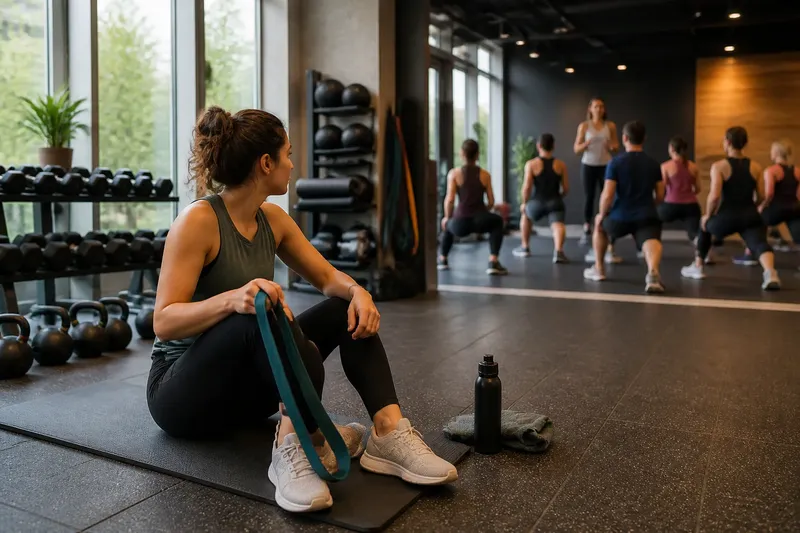
An open exercise area leaves the sequence to you. You might use a mat and resistance bands, or move between available stations. You decide where to begin, what to do next and when to stop, while sharing the room with people following their own plans.
A booked class supplies a shared sequence. An instructor sets the session, the group begins together and the room has a common focus. You can ask how to adapt an activity or pause, but the session still follows its own pace.
The distinction is not that one setting is serious and the other is casual. It is who organises the session, how much conversation or shared attention you want, and whether you would rather choose as you go or follow a plan.
What should you check before you decide?
Compare the actual arrangements at the venue, not just the words on its timetable. These checks lead to a decision in either direction:
- Opening and class times: Check when the open area is available and when classes begin. If your arrival time shifts, choose a setting you can enter during your likely window; otherwise, decide whether a fixed start helps you make room for the visit.
- Booking and cancellation rules: Check whether a class needs a reservation and what happens if plans change. If you cannot reliably commit to the slot, favour open access if available; if you can, booking may give the visit a clear start.
- Class description: Check the stated pace, format and equipment. If it sounds more directed than you want, ask about adaptations or choose independent use; if it matches your preference, reserve a place.
- Open-area layout: Check which spaces are intended for independent activity and where equipment belongs. If the layout is unclear, ask staff before using a station; if it is clear, choose a suitable starting area.
- What you need to bring: Check whether the venue supplies mats or expects you to bring one. If a required item is not available to you, ask about an alternative or choose a format that does not require it.
- Noise and shared attention: Notice whether music, instructor cues or nearby activity would hold your attention or distract you. If shared sound is unwelcome, try an open area at a quieter time; if it helps you engage, consider a class.
These checks are not a character assessment. They are a way to catch an avoidable mismatch before you commit to a routine.
How can you compare the settings in practice?
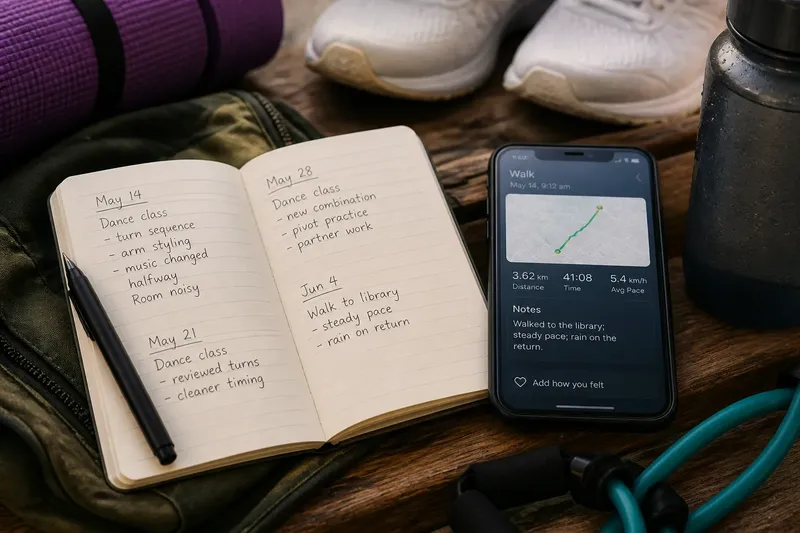
Try each format with a familiar activity, so you are comparing the room and its structure rather than learning several new things at once. Keep notes on what happened: whether you could start, what interrupted your attention and whether you would choose that setting again.
Imagine your work finish changes and you dislike arriving after a class has started. On a day with an uncertain finish, you use the open floor, taking a mat and resistance band and beginning with a familiar sequence. On a day when you know you can leave on time, you book a class and ask the instructor how to pause or adapt an activity. If the open visit lets you begin without watching the clock, while the class feels rushed, the practical decision is to use open access on variable days and reserve classes for predictable ones. If the class instead provides welcome direction, that is a reason to keep it in the mix, not to force every visit into the same format.
Which setting fits your preferred way of taking part?
Open floor time may suit you if you want to choose the order of activities, pause without explanation or pay attention privately. It also means making decisions during the visit. A short note on your phone can name one starting area and one familiar activity, without turning the rest of the session into a script.
A class may suit you if a fixed start helps you arrive, you enjoy shared cues or you want an instructor to organise the session. Ask how participants can adapt activities and take a pause. A class description is more useful than its name; formats and teaching styles vary between venues.
Practical access matters in either case. Check open-area hours, booking conditions, class capacity and equipment rules. If you are uncertain about a space or activity, ask venue staff and follow their directions and the equipment maker’s instructions.
What do people ask about open floor or booked class?
Can I switch between open floor and classes?
Ask the venue whether both options are included in your access and whether classes need separate bookings. If the arrangements permit it, you can choose a format for each visit rather than treating the decision as permanent.
What if I do not know what to do on the open floor?
Start with one familiar activity and ask staff where the relevant equipment belongs. If you still feel unsure about using a station, choose another area or request guidance before continuing.
Can I take breaks or adapt a class?
Ask the instructor before the session how participants can pause or modify activities. If the format does not leave room for the adjustment you need, consider a different class or independent use.
Which option works with an irregular schedule?
Open access may be easier when your arrival time varies, while a class may suit a slot you can protect. Check the real timetable and booking rules, then choose according to the time you can actually attend.
How should you settle on a default?
Choose the setting that makes sense for the days you have, and keep the other available when circumstances change. A class can fit a predictable evening; open-floor access can fit a day when your finish time is uncertain. There is no need to turn a preference into a permanent identity.
When comparing open floor or booked class, pay attention to the small decisions each setting asks of you: making your own sequence, joining a shared one, finding equipment or following cues. Those details tell you whether a fitness space suits the way you want to take part, before the timetable has the chance to pretend it knows you.