The Matching-Kit Myth: Why Fitness Clothes Need Not Be a Set
Matching workout clothes are optional. Build a kit around movement, comfort and the clothes you already own, without buying a coordinated collection.
The common mistake with workout clothes is treating a matching outfit as the entry fee. It can mean buying duplicates before you know what you reach for. Matching workout clothes are optional; a useful kit is assembled around the session, not a shared colour palette.
Do workout clothes need to match?
No. A top and bottoms need not share a brand, range or colour. They need to let you move comfortably and suit the activity. Coordination is a styling choice, not a condition of taking part.
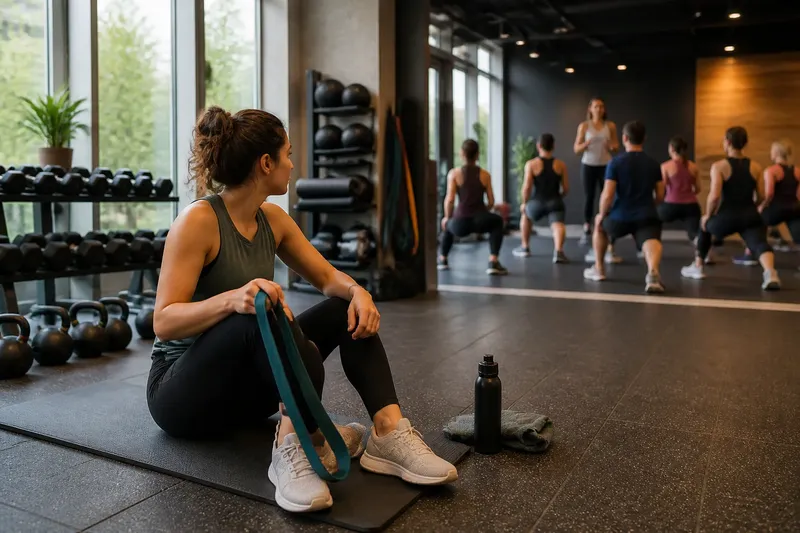
Retail displays make sets look like a uniform. A plain T-shirt, older running shorts and a newer sports bra can serve perfectly well together if each is comfortable and suitable for its role. There is no hidden dress code waiting at the gym door.
Matching can still be worth choosing. Some people like the look, or enjoy having one less decision before leaving home. The useful distinction is whether the set solves a real wardrobe problem or merely makes unrelated pieces seem incomplete.
What makes a garment useful for a session?
Start with what the session asks you to do. Walking outdoors, dancing and floor work involve different movement, coverage and weather needs. Consider whether you will reach overhead, bend, run, sit on a mat or spend time outside.
Then notice the distractions. A waistband that shifts, a seam that rubs or a top that needs constant adjustment can take attention away from movement. Fit is personal; a cut that feels secure to one person may feel restrictive to another.
Fabric names offer only part of the answer. Check how a garment feels and moves, and whether its care instructions fit your routine. For an item designed for a particular use, follow the label and the maker’s directions.
Coverage and support are also individual choices. For energetic movement, some people prefer a more supportive top; for gentler activity, others may choose a softer or looser one. Neither has to coordinate with the rest of the outfit.
How can you check whether clothes suit an activity?
- Walking outdoors: Check the weather and whether you need a removable layer or pockets. If you expect changing conditions, choose a layer you can take off; otherwise, use the clothing that feels comfortable for the forecast.
- Studio or mat work: Bend, reach and sit in the garment. If hems or waistbands shift or pinch, try another cut; if they stay comfortable, the piece is suitable for that session.
- Running or an energetic class: Check that the fit feels secure and allows your usual movement. If you are repeatedly adjusting it, choose a different fit or support level; if it stays in place without discomfort, keep it in rotation.
- Strength training: Move through the positions you plan to practise and check for catching or distraction. If fabric gets in the way, change the garment; if it allows the planned movement comfortably, it can serve that session.
- Care and repeat use: Read the care label and consider whether the garment fits your laundry routine. If its care is impractical, reserve it for occasional use or choose an easier-care alternative; if it fits your routine, keep it available.
- Condition: Look for stretched seams, worn fabric or discomfort that persists. If any of these affect comfort or suitability, retire the item from that activity; if not, there is no reason to replace it merely because it is old.
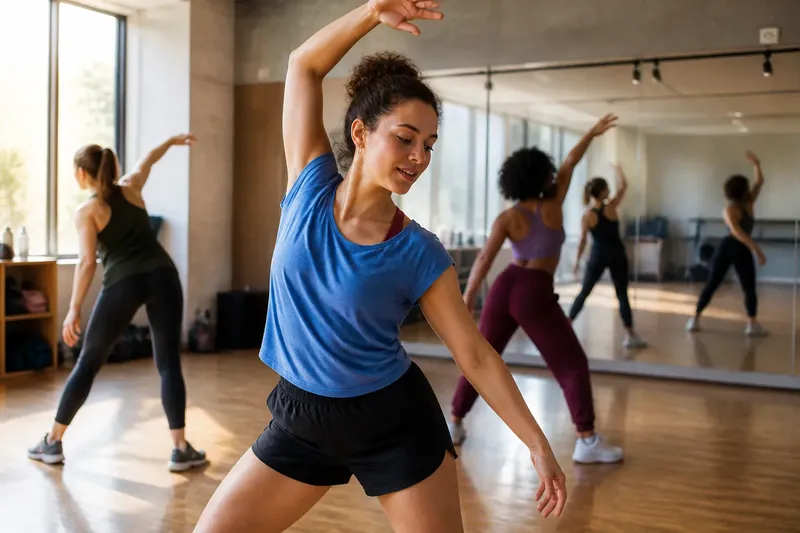
Imagine you own black shorts, a blue top and a sports bra in another colour, and you are dressing for an indoor dance class. You try reaching overhead, bending and moving briskly in the three pieces. The shorts stay put, the top does not restrict your arms, and the bra feels comfortable; the resulting decision is to wear them together, despite the colours. If the top repeatedly rides up, swap it for a more comfortable one rather than buying a matching set.
Is a matching workout set worth buying?
It can be, if you like it and each piece works for you. A coordinated set may simplify choosing an outfit, or simply be pleasing to wear. Those are sound reasons; the assumption that separate pieces look unfinished is not.
Assess each item independently. Would you wear the top with other bottoms? Could the leggings work with a plain shirt? Does the set suit an activity you actually do? If a piece only seems useful alongside every other piece, it may be more display than wardrobe.
Buying only one half is sensible, too. A comfortable pair of shorts can go with an existing shirt, and a well-fitting top need not have matching bottoms. A shop may arrange the pieces together; your laundry basket has no obligation to preserve the arrangement.
What do people ask about matching workout clothes?
Can you wear different brands together?
Yes. Brand names do not decide whether clothes work together. Judge each item by fit, comfort and suitability for the activity, along with any relevant care or use instructions.
Do gym clothes need to be fashionable?
No. Fashion can be part of the enjoyment, but it is not a condition of participation. Choose clothes that meet your needs and feel acceptable to wear.
Can you exercise in old clothes?
Yes, if they remain comfortable and suitable for the activity. Familiar clothes can be useful; stretched seams, worn fabric or persistent discomfort may mean they no longer suit that particular use.
How many workout outfits do you need?
There is no universal number. It depends on your routine, laundry habits and activities. Start with clean, comfortable clothes that serve the sessions you do, rather than buying a complete collection at once.
How do you avoid buying clothes you do not need?
Name the gap before shopping. Perhaps you need a layer for outdoor walks, a top that stays comfortable during floor work or a replacement for something that no longer fits. A specific job is easier to assess than the vague promise of a coordinated wardrobe.
Try a new item with clothes you already own. Check whether it works with more than one piece, whether it feels comfortable through the movements you expect to do, and whether its care is manageable. A changing room can help with fit; product details and return terms may help with questions that only arise after wearing it in motion.
Matching workout clothes remain one styling option, not a measure of seriousness or readiness. If a coordinated set is what you enjoy, choose it for that reason. If you prefer unrelated pieces, put them together and get on with the session.
When deciding whether to replace an item, judge it against the job it still does, not the outfit it might complete. A garment that remains comfortable and suitable can stay in rotation; one that distracts or no longer serves its use can be replaced on its own.